
Tesla Powerwall
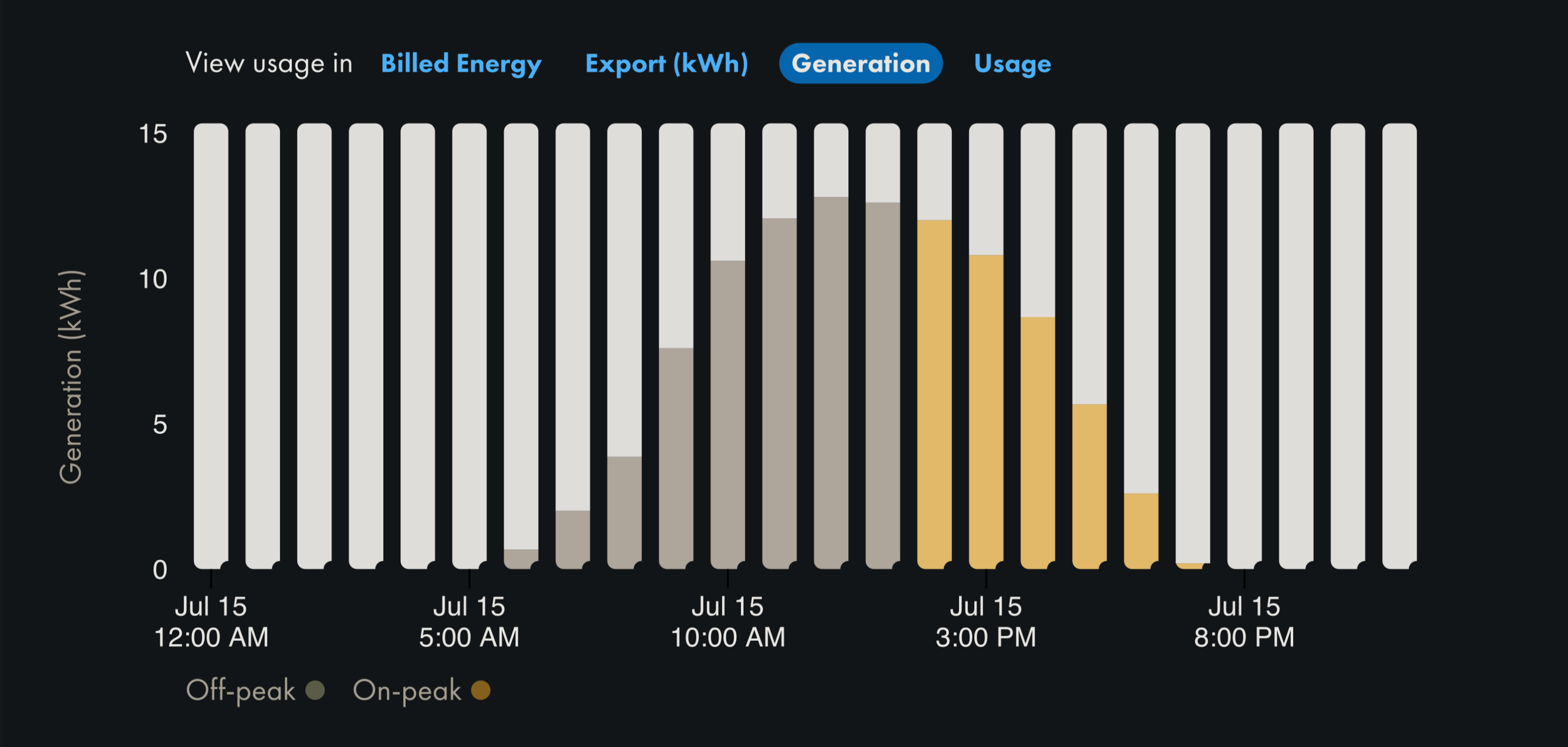
Store excess solar energy for later
Prevent outages

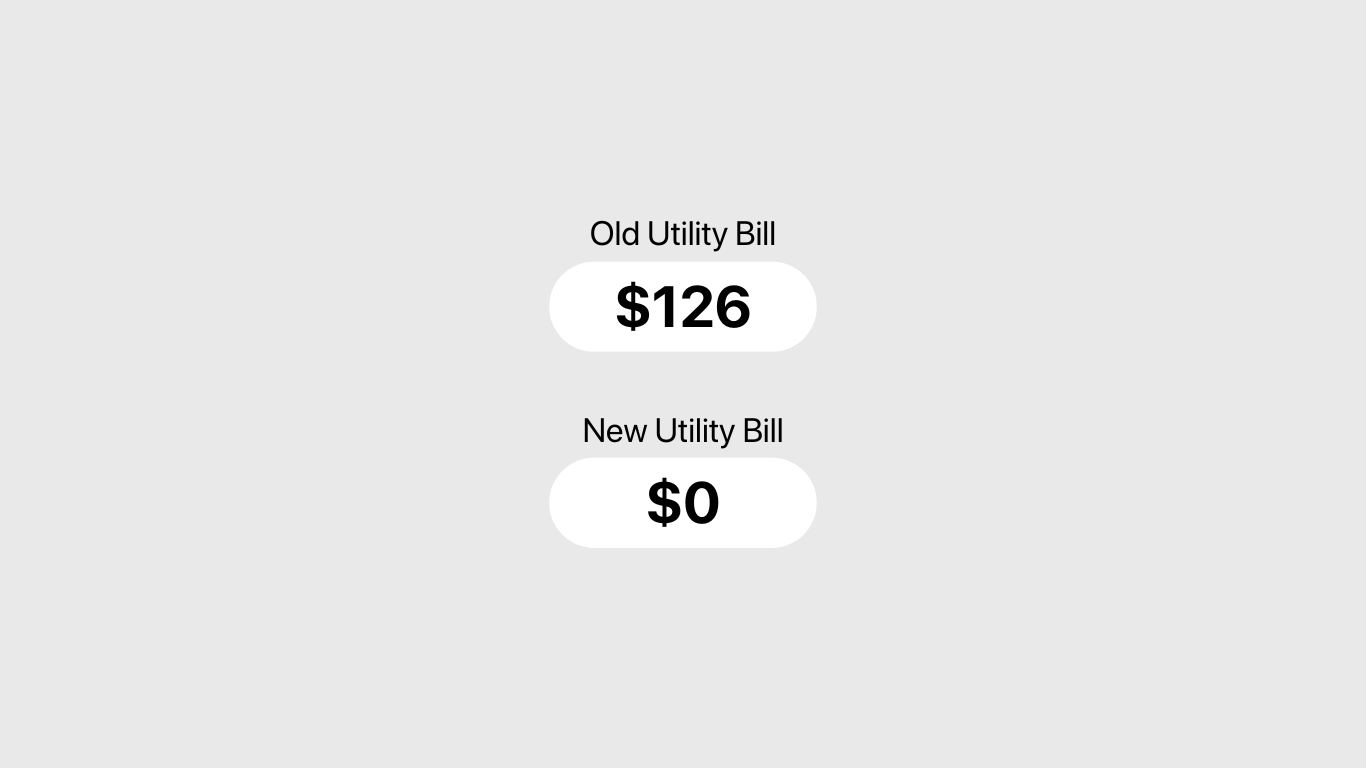
Save money
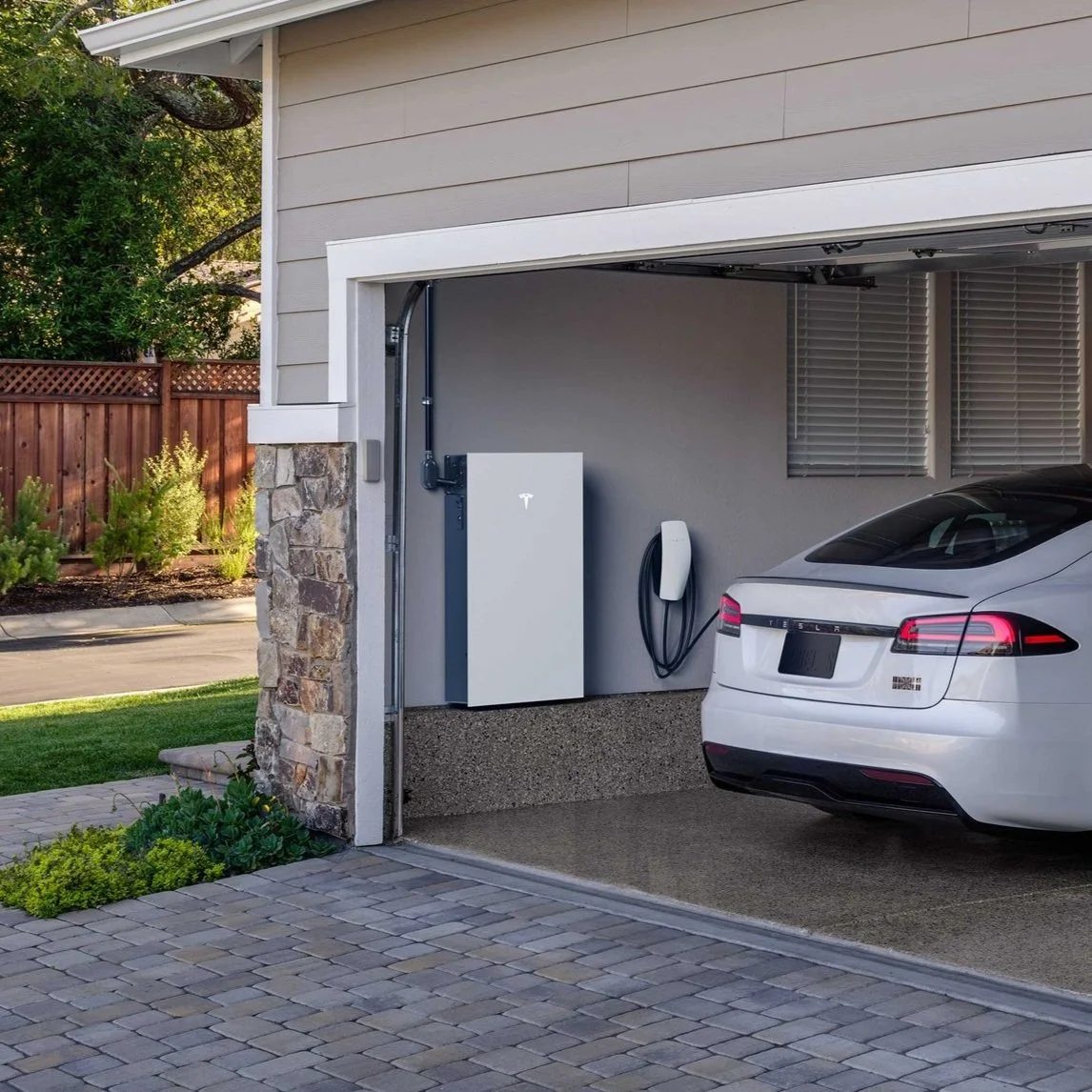
Store energy and use it when it matters.
Store excess solar energy and use it when you need it most. Powerwall saves energy during peak production and makes it available at night, during outages, or when utility rates are highest, giving you reliable backup and greater control over your power.
01How Powerwall Works
Powerwall stores energy for later use and works with solar to deliver energy security and long-term savings. Each system includes smart energy monitoring and controls, customizable in the Tesla app. Powerwall learns your energy habits over time and automatically updates with new features via over-the-air software updates.

02What Can Powerwall Back Up
Designed for energy independence, Powerwall captures solar power for nighttime use and keeps your home running during outages. Backup capability and duration vary based on energy usage, appliances, and the number of Powerwalls installed. Systems can support essential 120V loads like lights and outlets, along with heavy 240V loads such as AC units, EV chargers, pumps, and electric appliances.
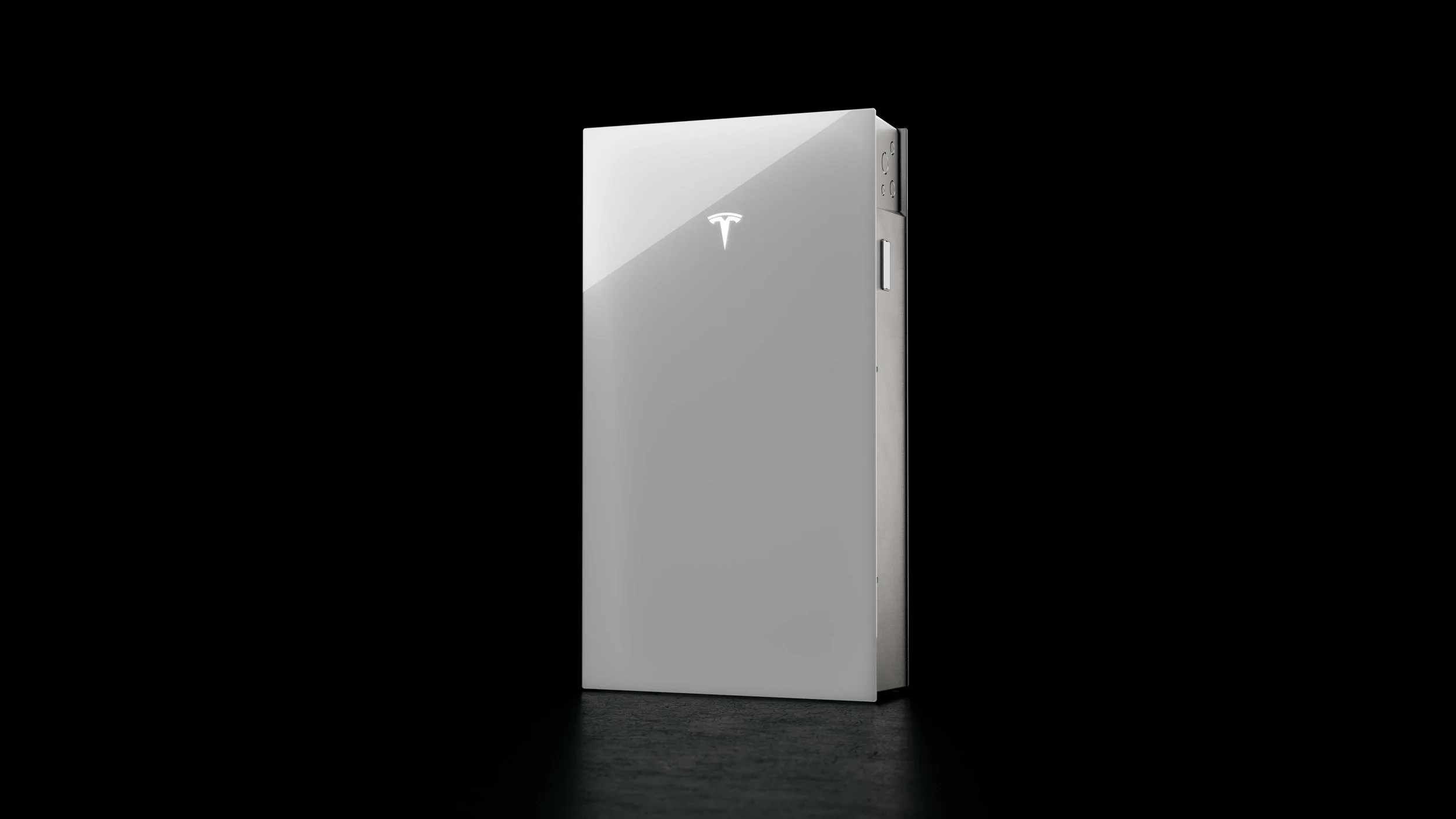
03What to Expect for Powerwall 3
Powerwall stores solar energy to keep your home powered during outages while reducing reliance on the grid. Most homes can achieve whole-home backup, energy independence, and lower utility bills, all managed through the Tesla app.
Powerwall 3 is an all-in-one solar and battery system that delivers more power per unit and scales easily as your needs grow. With an integrated solar inverter, it supports direct solar connection, retrofits to existing systems, or standalone installation.

04Why Powerwall
Powerwall is a rechargeable home battery that increases energy independence with seamless backup, lower emissions, and potential utility savings. It intelligently adapts to your energy needs and can charge from solar so power is always available when you need it.

A Tesla Powerwall 3 stores energy from the grid or an existing solar system, providing seamless backup when the power goes out.
It keeps lights, appliances, and critical systems running, even during extended outages. With smart time-of-use shifting, it can also cut utility costs by powering your home during peak rates.

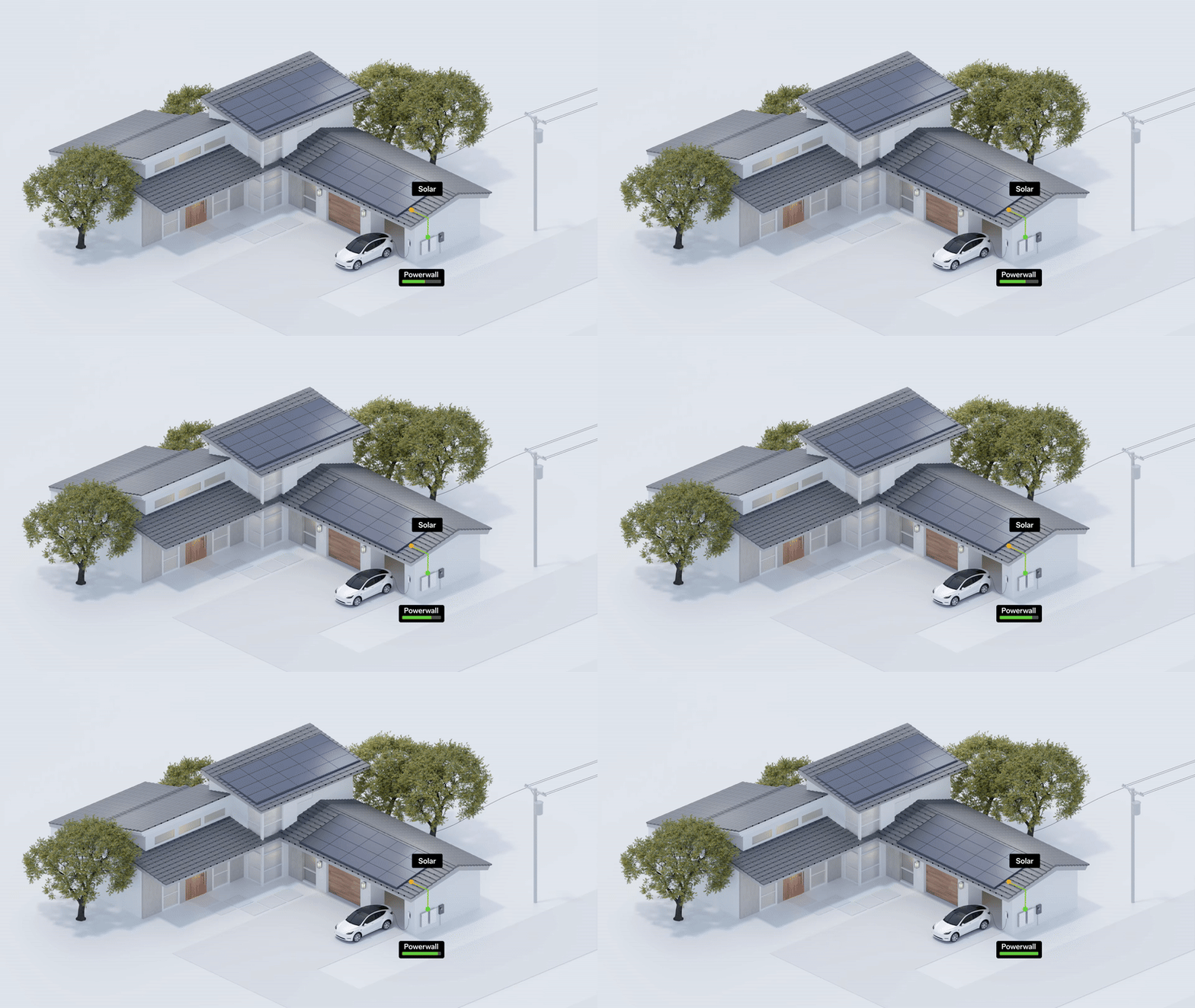
When your solar system generates more energy than you need, you can store the extra energy with Powerwall and save it for later. Powerwall can also recharge from the grid when utility prices are low.