
Why ED3 Solar Customers Need Batteries Now More Than Ever
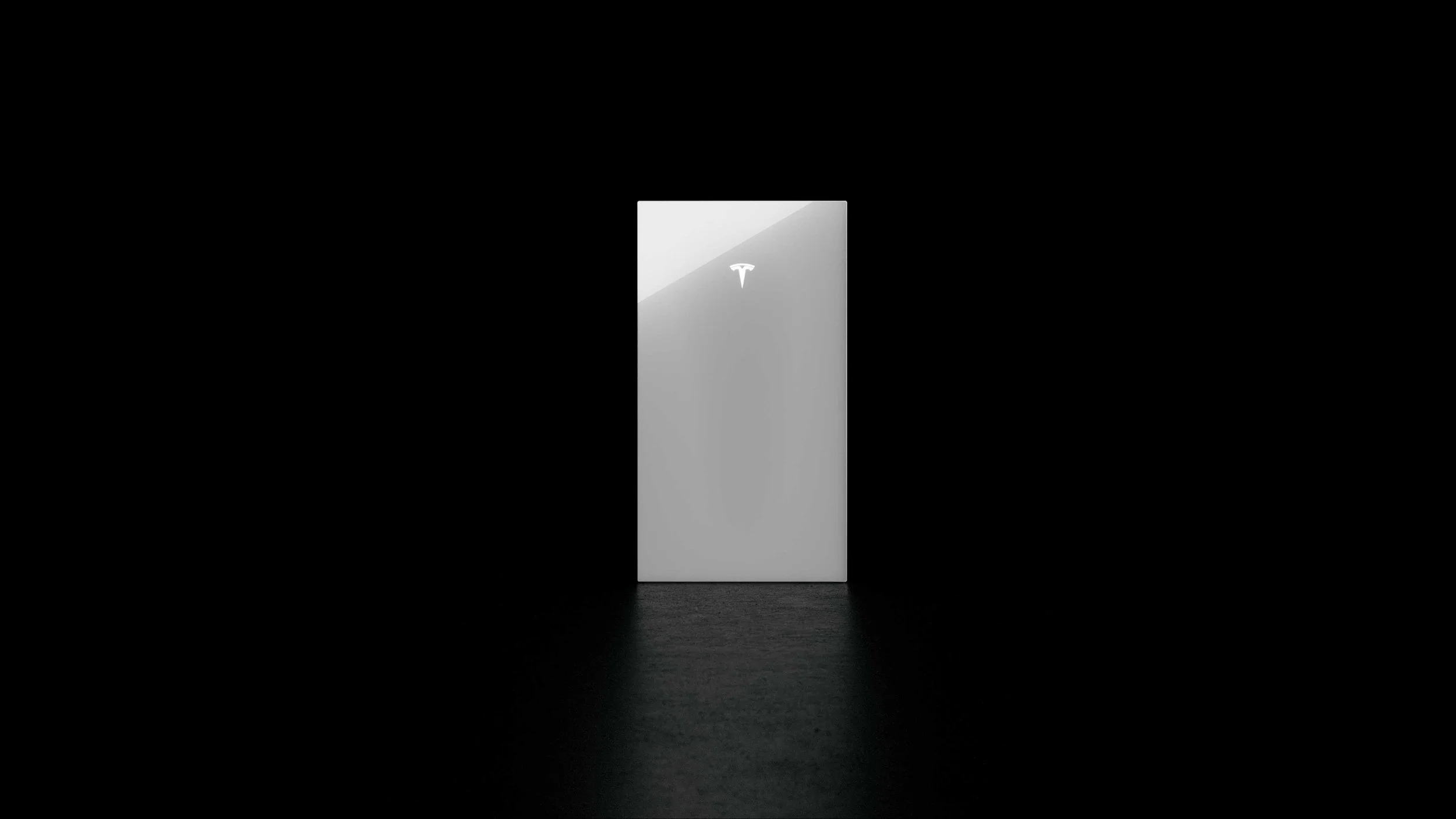
What the New ED3 Rate Changes Mean for Your Solar Investment
If you installed solar in Electric District No. 3 (ED3) over the last several years, your system was most likely designed around one core assumption: Exported solar energy had real financial value.
That’s changing.
With ED3’s upcoming Time-of-Use (TOU) restructuring and the introduction of Rider 8-D, many solar customers will soon find that the economics of their system no longer work the way they were originally promised.
And the biggest reason?
Oversized solar systems + low export compensation = lost value.
🔄 What Changed?
Historically, ED3’s solar program allowed customers to offset a meaningful portion of their bill by exporting excess solar back to the grid. That made larger systems attractive and financially sound. Under the new framework:
Solar customers are increasingly being excluded from favorable TOU structures
Exported energy is credited at avoided cost instead of retail value
Peak pricing windows now punish grid dependence
Legacy systems were never designed for this model
This means many homeowners are now over-producing power that ED3 no longer pays fairly for.
🧠 Why Batteries Are Now Essential (Not Optional)
A solar-only system under Rider 8-D is like owning a gas station… but being forced to sell fuel for pennies. A battery completely changes the equation. With a Battery You Can:
Store your excess solar instead of exporting it cheaply
Power your home during ED3’s most expensive peak hours
Avoid TOU penalties altogether
Protect yourself from future policy changes
Use your own energy when the grid is stressed
In other words, a battery allows you to capture the full value of the energy you already own.
🧮 Why Oversized Systems Suffer the Most
Thousands of ED3 customers were sold systems that intentionally produced more than their home consumed — because that used to make financial sense. Under Rider 8-D, that extra production is now being:
Underpaid
Restricted
Increasingly discouraged
Adding a battery converts that “excess” production into usable, high-value energy for your own home instead of low-value exports.
🏠 The New Reality of Solar in ED3
Going forward, the most stable and protected solar customers in ED3 will be the ones who:
✔ Use solar to power the home
✔ Store solar for later use
✔ Minimize interaction with the grid
✔ Control their peak usage
✔ Own their energy instead of selling it cheap
That’s not just smarter. It’s the only way to future-proof your investment.
🌵 What ED3 Homeowners Should Do Next
If you already have solar:
Review your system size and production
Analyze your new rate structure
Understand how Rider 8-D impacts your bill
Explore battery retrofit options
The sooner you adapt, the more value you preserve.
🔋 Final Thought
Solar alone was the solution yesterday. Solar + Battery is the solution now. In ED3’s new landscape, energy independence isn’t a luxury — it’s the strategy.